Educational games and books that make learning feel like an adventure. Game and fun first — get good at school automatically.
Explore GamesFun-first games that build real skills
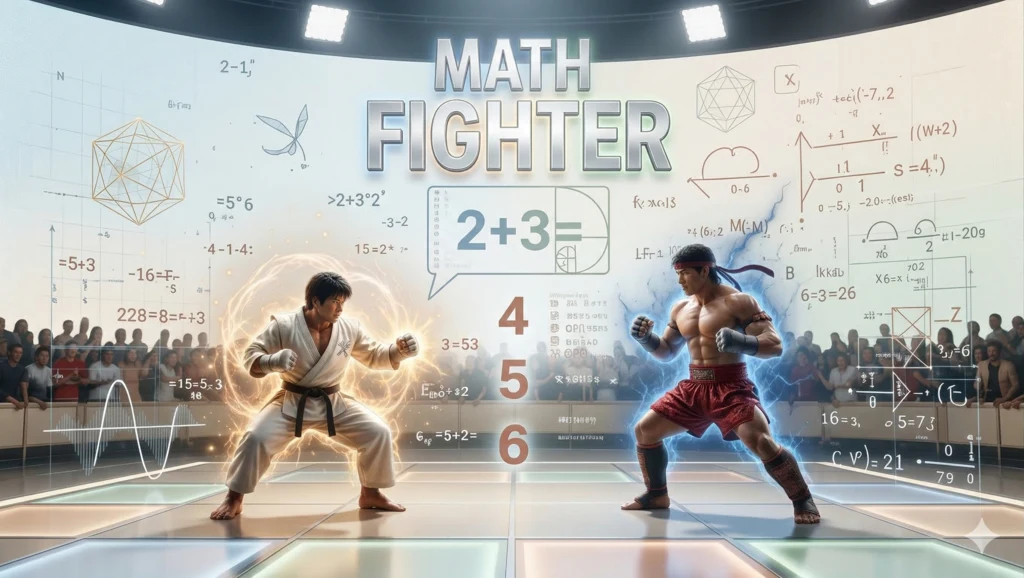
Train mental math through exciting battles! Practice addition, subtraction, multiplication and division while having a blast.
Addition, subtraction, multiplication, division, and order of operations — simply explained with everyday examples.
Train letters, reading and language the fun way! Hit the right letters and words and improve your reading and spelling skills along the way.
Practical knowledge for parents: understanding ADHD, boosting learning motivation, improving focus — from our own experience.
Great books to support learning at every level
We have used all the books recommended here ourselves. These are our personal favorites that really helped our kids learn.

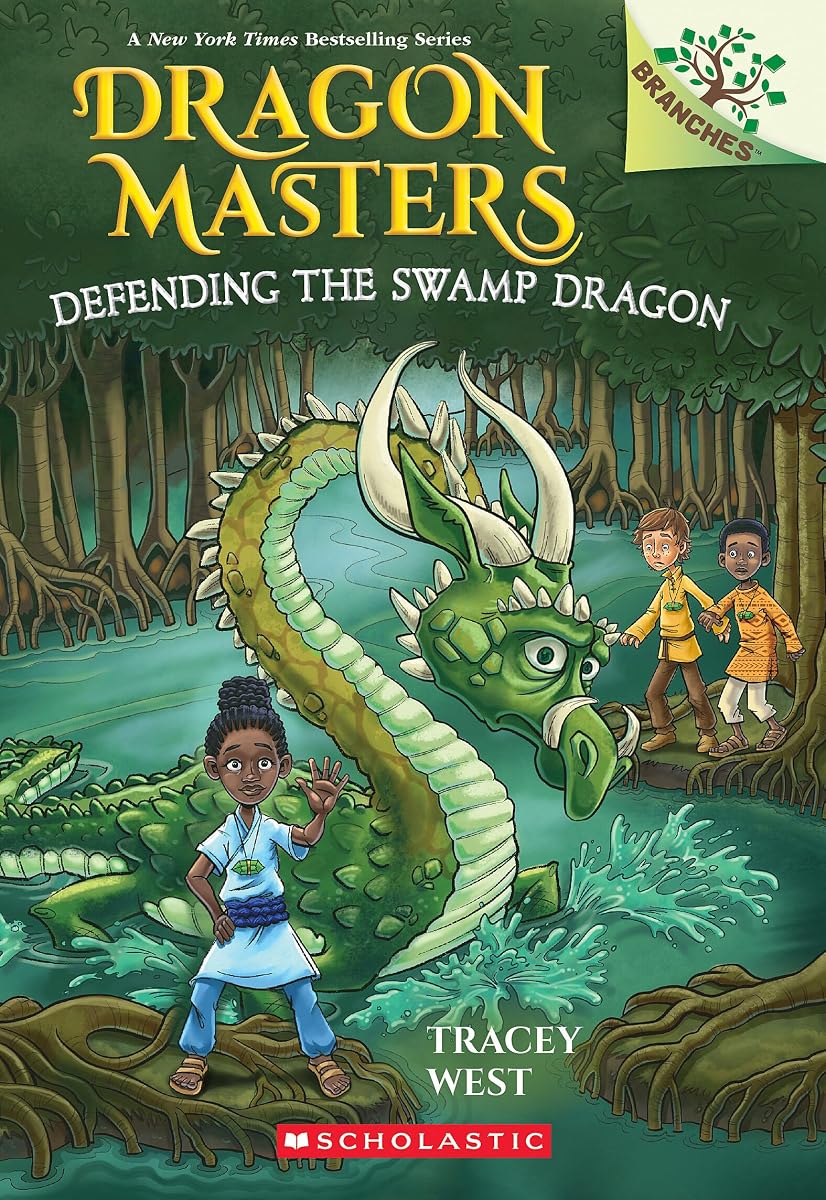
A Branches early-reader chapter book from the best-selling Dragon Masters series. Fast-paced dragon adventures with short chapters and an illustration on nearly every page — perfect for building reading confidence and fluency. For ages 6–8.

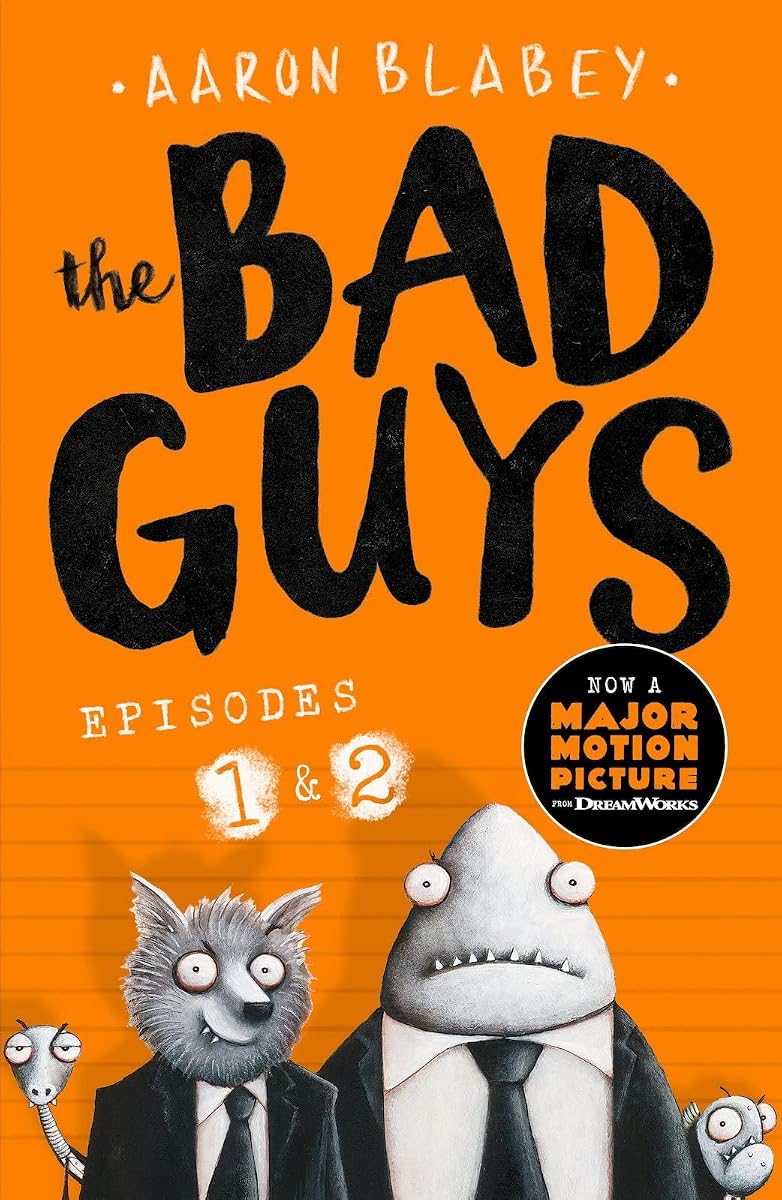
Two hilarious episodes in one book from the wildly popular The Bad Guys series — now a major motion picture. Fast, funny, comic-style chapters that turn reluctant readers into eager ones. For ages 7–10.

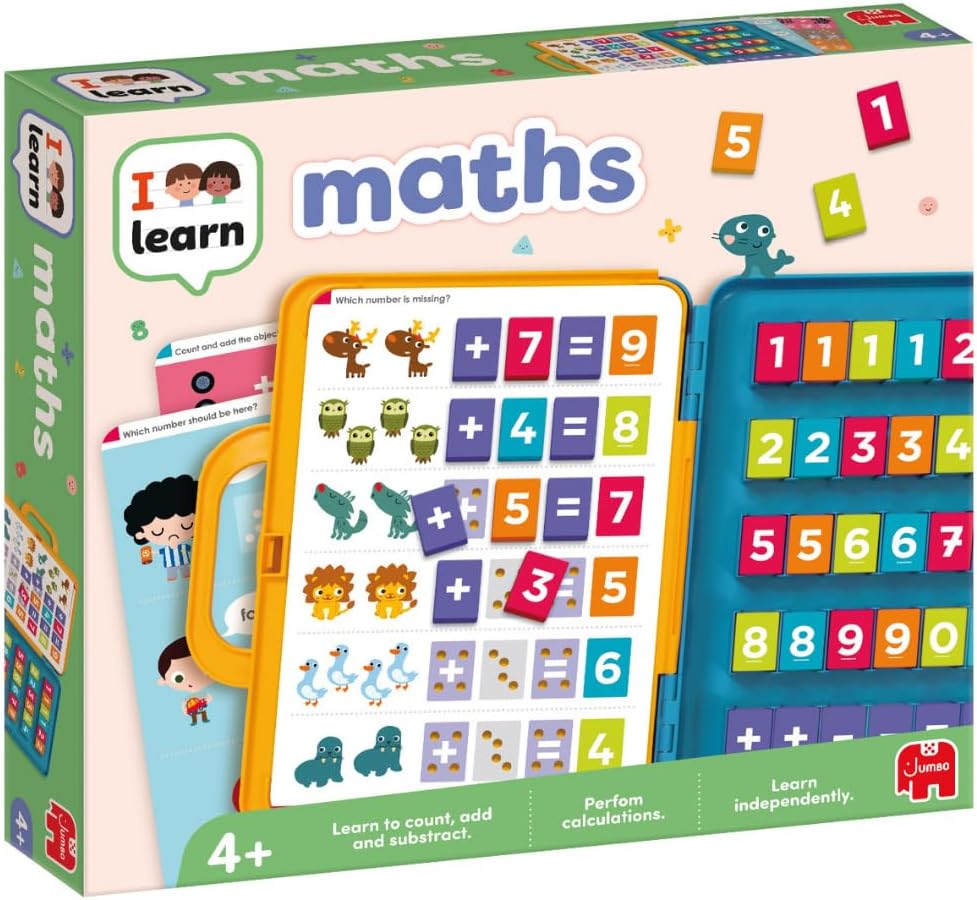
The English edition of Jumbo's hands-on maths game. Children learn to count, add and subtract with tactile number tiles and a self-checking system — learning independently through play. For ages 4+. (Available on Amazon UK.)
“We used this learning game with our children and are very happy with it. Our kids enjoyed maths from the very start, because they could touch the numbers and lay them out themselves. At this age, that's a big advantage over learning purely from a book or a screen.
We especially like the instant feedback. The children can see right away whether their answer is correct, which motivates them and encourages them to keep practising on their own. That makes maths genuinely fun and feels more like play than learning.
The materials are sturdy and well suited to small children's hands. All in all, it's a wonderful learning game that makes getting started with maths easier while nurturing the joy of learning.
A clear recommendation to buy!”
No books match your filters. Try a different combination!
EduGameGalaxy was born out of our own experience as parents. Our kids were struggling at school — they lacked motivation, progress was slow, and traditional methods just weren't working.
So we tried something different: we connected learning with fun. We built games and curated books that make practicing feel like playing, not homework.
Our approach is simple: our kids solve small learning tasks before they're allowed to play. Some may find this controversial, but we can say from experience — it worked. Their motivation and school results improved significantly.
Today we share these games and books with other families, in multiple languages, so every child can find resources that work for them.
Practical lessons from our journey — no textbooks, just experience
Most kids aren't lazy — they just haven't found a reason to care yet. We found that connecting learning to something they actually want (screen time, games, treats) works better than any lecture. It's not bribery — it's how real motivation starts.
Sometimes kids hit an invisible wall. They stare at the page and nothing goes in. This usually means the task is too hard, too boring, or they're stressed. The fix isn't 'try harder' — it's stepping back, making it easier, and rebuilding confidence one small step at a time.
A child who believes 'I'm bad at math' won't even try. We break tasks into tiny pieces so they succeed often. Each small win rewires their thinking from 'I can't' to 'I can do this.' That shift changes everything.
Spiral learning means revisiting topics again and again, which is great for making knowledge stick. But here's the problem: kids get bored. That's why we mix it up with games, challenges, and variety. Same math, different wrapping.
Too easy and kids zone out. Too hard and they shut down. The magic happens in between — where it's challenging but doable. When difficulty is just right, kids enter a flow state and actually enjoy practicing.
Our kids have ADHD, and yes, focus can be tough. But ADHD also means incredible energy, creativity, and the ability to hyperfocus on things they love. The trick is working WITH the way their brain works — short bursts, instant feedback, and making it exciting. That's exactly why we built Math Fighter.
As an Amazon Associate, we earn from qualifying purchases. Book links may be affiliate links.